


Do you experience blurry or cloudy vision? If yes, it’s important to consult an eye specialist in Bathinda without delay. Cataract (मोतियाबिंद in Hindi / ਮੋਤੀਆਬਿੰਦ in Punjabi) is a condition in which the natural lens of the eye becomes cloudy, leading to hazy vision, difficulty in reading, glare from lights, and trouble driving especially at night.
Although cataract commonly affects older adults, it can also occur in younger individuals and, in rare cases, even in newborn babies. The only proven and effective treatment for cataract is cataract surgery (मोतियाबिंद ਦਾ ਓਪਰੇਸ਼ਨ), where the cloudy natural lens is removed and replaced with a clear artificial intraocular lens (IOL) to restore vision. Understanding how cataract surgery kaise hoti hai helps patients feel more confident before treatment.
At Vasu Eye Hospital, Bathinda, our experienced ophthalmologists perform advanced cataract surgery using modern techniques, including the AI-guided ZEISS Callisto Cataract Suite and premium IOL lenses. This ensures high precision, safe surgery, faster recovery from cataract surgery, and clearer vision, helping patients return quickly to their daily activities.
Early Cataract (मोतियाबिंद / ਮੋਤੀਆਬਿੰਦ) symptoms are often ignored, but timely diagnosis is critical.
Common signs include:
If you notice these symptoms, consult an eye specialist immediately. At Vasu Eye Institute, Bathinda, our cataract specialists use advanced diagnostics to detect cataract at an early stage, ensuring better treatment outcomes.
Phacoemulsification is the most commonly performed and trusted cataract surgery technique. In this procedure, a small incision of about 2.8 mm is made in the cornea. An ultrasonic probe is used to break the cloudy lens into tiny fragments, which are then gently removed. A clear intraocular lens (IOL) is implanted in place of the natural lens.
This stitch-less surgery is safe, painless, and allows for quick recovery with improved vision and minimal risk of cataract surgery when performed by experienced surgeons.
Micro-Incision Cataract Surgery (MICS) is an advanced technique that uses an even smaller incision, typically 1.8–2.2 mm. The reduced incision size minimises surgical trauma, promotes faster healing, and enhances patient comfort.
MICS offers faster visual recovery, supports a shorter recovery time of cataract surgery, lowers the risk of complications, and delivers improved surgical outcomes, making it a preferred option for many cataract patients.
At Vasu Eye Hospital, we offer AI-guided cataract surgery using the advanced ZEISS Callisto Cataract Suite. This state-of-the-art system provides real-time digital guidance during surgery, helping the surgeon achieve exceptional precision in incision placement, intraocular lens(IOL) alignment, and astigmatism correction.
By enhancing surgical accuracy and consistency, AI-guided cataract surgery delivers safer procedures, smoother recovery from cataract surgery, and sharper visual outcomes, setting new standards in modern cataract treatment.

Cataract Surgeries

Patients Treated
Best eye hospitals in Bathinda and North India, offering both affordable and advanced eye care.
When patients search for cataract surgery cost (मोतियाबिंद ऑपरेशन खर्च / ਮੋਤੀਆਬਿੰਦ ਸਰਜਰੀ ਖਰਚ), they often want clarity on cataract surgery procedure cost, lens options, and hospital credibility. The cost of cataract surgery in India depends on several factors, including the type of procedure (Phacoemulsification, MICS, or AI-guided cataract surgery), the type of intraocular lens (IOL) chosen, and the surgeon’s experience.
At Vasu Eye Hospital, Bathinda, we believe in transparent and affordable cataract surgery without compromising on safety or quality. On average, the cataract surgery cost in Punjab typically ranges from ₹25,000 to ₹40,000 for standard IOLs. Advanced premium IOLs such as multifocal, trifocal, EDOF, or toric lenses may range from ₹45,000 to ₹90,000+, depending on individual visual needs.
Patients searching for a reliable “cataract surgery hospital near me” can trust Vasu Eye Hospital for expert eye surgeons, advanced technology including the ZEISS Callisto AI Suite, and consistent clinical outcomes. We have successfully treated thousands of cataract patients from Punjab, Haryana, and Rajasthan.
Note: The final cost may vary based on the selected lens, insurance or cashless eligibility, and pre-operative or post-operative evaluations.
Cataract surgery at Vasu Eye Institute has advanced with Callisto AI technology, offering unmatched precision and safety. This next-gen system uses AI + computer guidance to support surgeons at every step ensuring accurate incision placement, error-free lens alignment, and superior visual outcomes.





Choosing the right hospital for cataract surgery is crucial for safe outcomes and clear vision. At Vasu Eye Hospital, Bathinda, cataract treatment is led by experienced eye surgeons and supported by advanced technology and a patient-first approach. Our consistent clinical outcomes and ethical care have made us a trusted destination for cataract surgery in Bathinda and Punjab.
Using modern techniques and the AI-guided ZEISS Callisto Cataract Suite, we ensure high surgical precision, improved lens alignment, predictable visual results, and long-term vision clarity.
Why patients choose us:
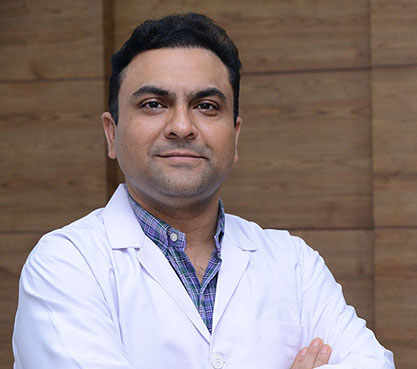
Dr. Gourav Mangla
MBBS, MS, DNB(eye), FVR
At Vasu Eye Hospital, cataract surgery costs are transparent and customised based on your eye condition, lifestyle needs, and lens selection. We guide patients clearly through lens options so they can make informed decisions without confusion.
Patients often search for:
Our focus is to provide affordable cataract surgery in Bathinda without compromising on safety, technology, or visual outcomes.

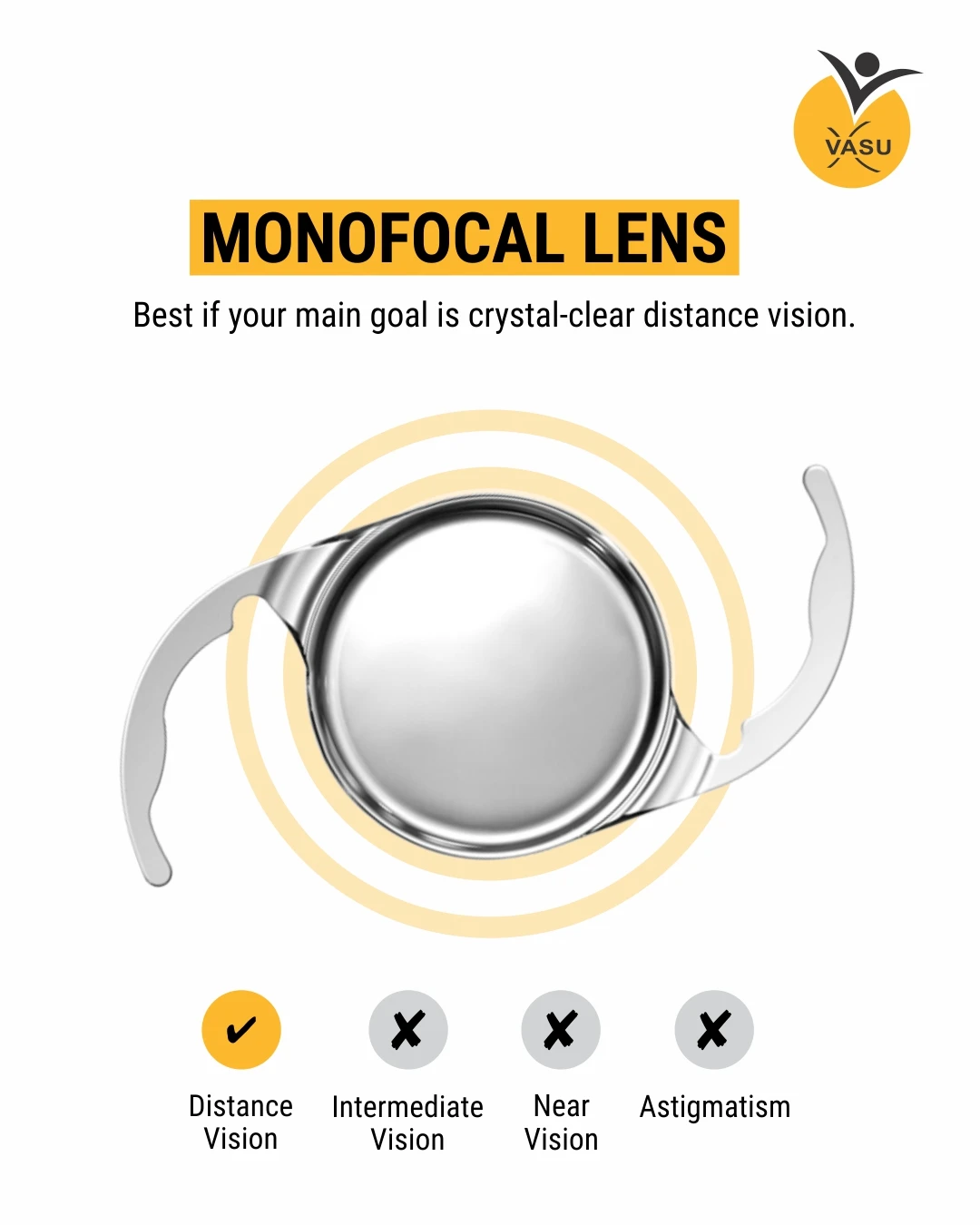
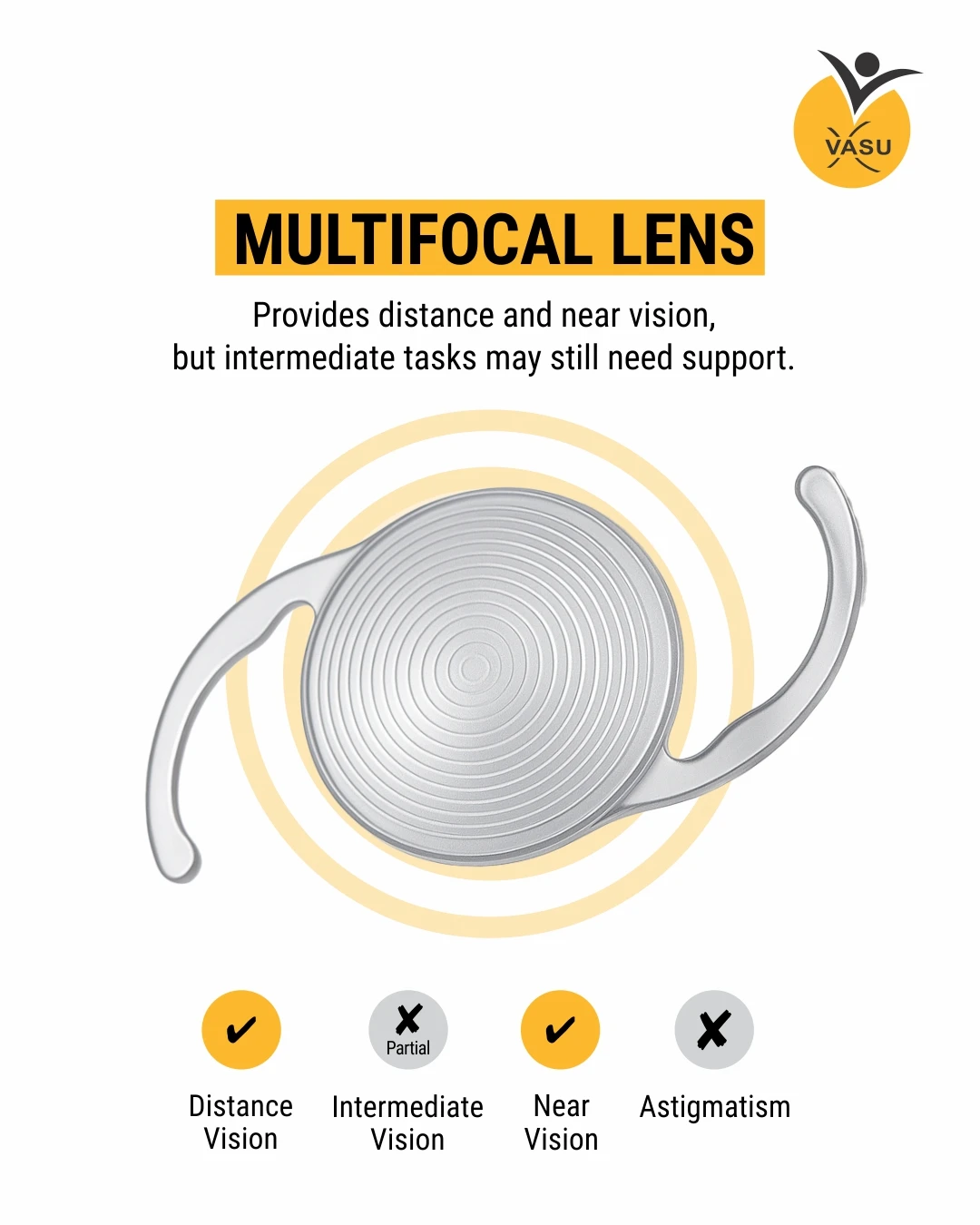
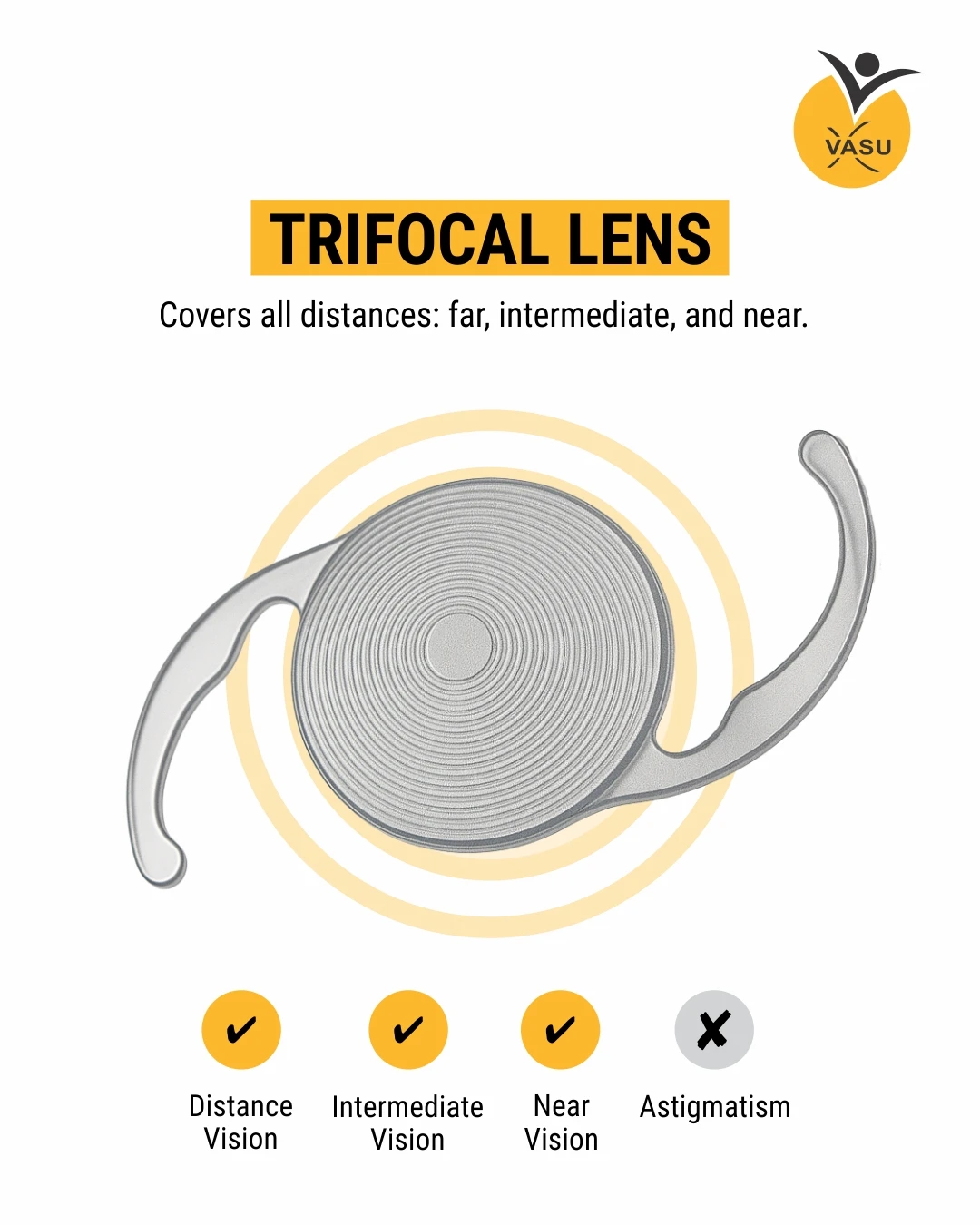
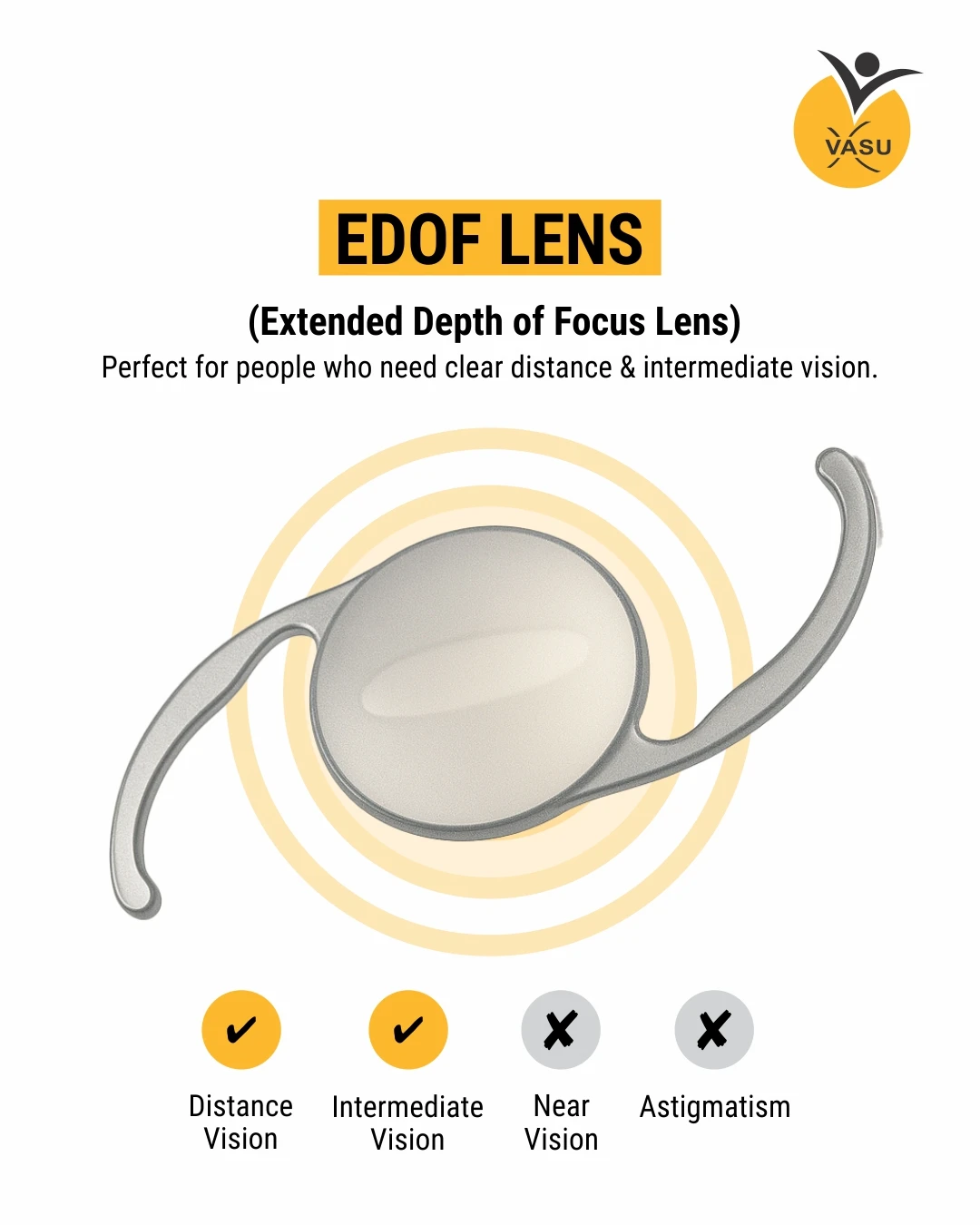
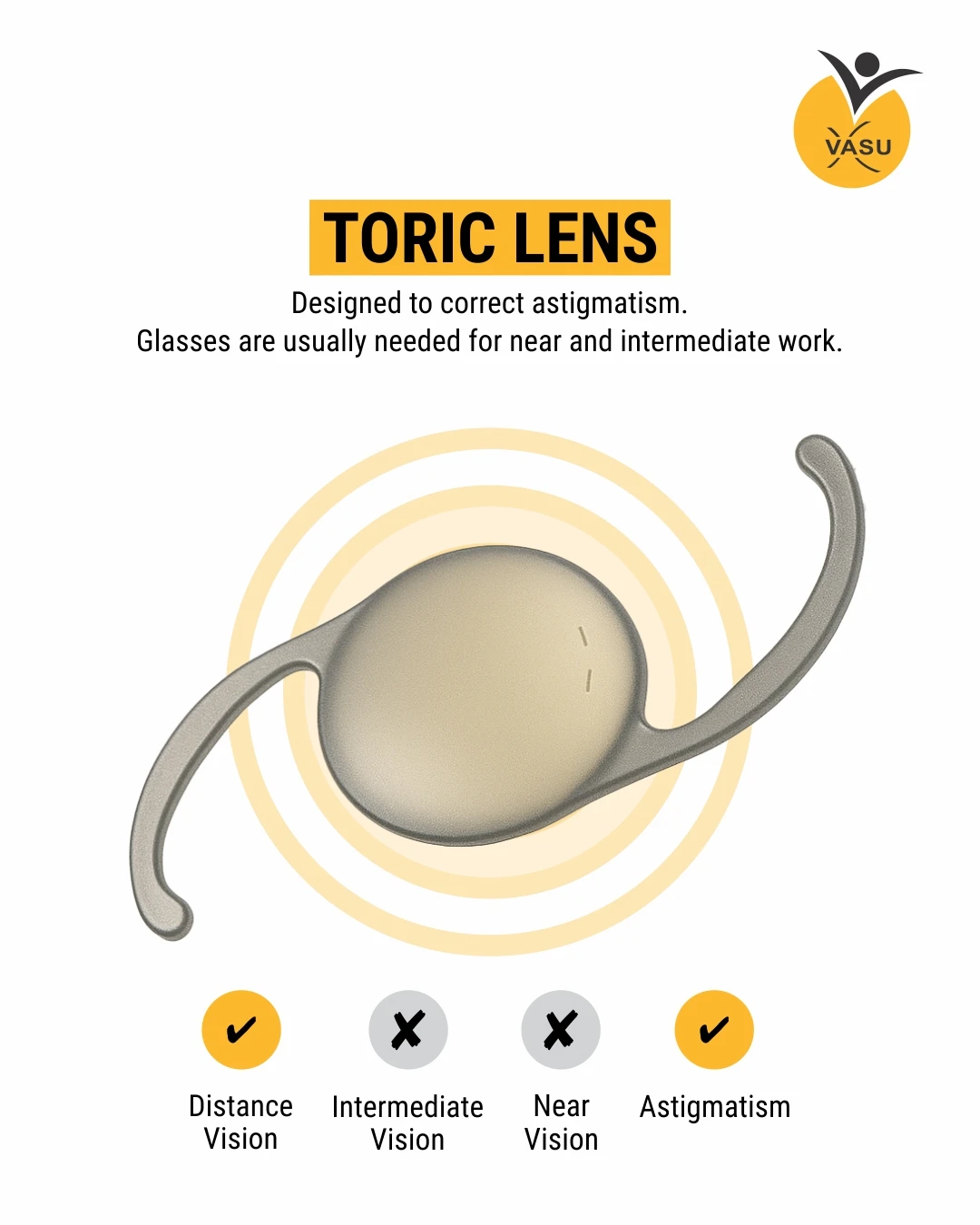
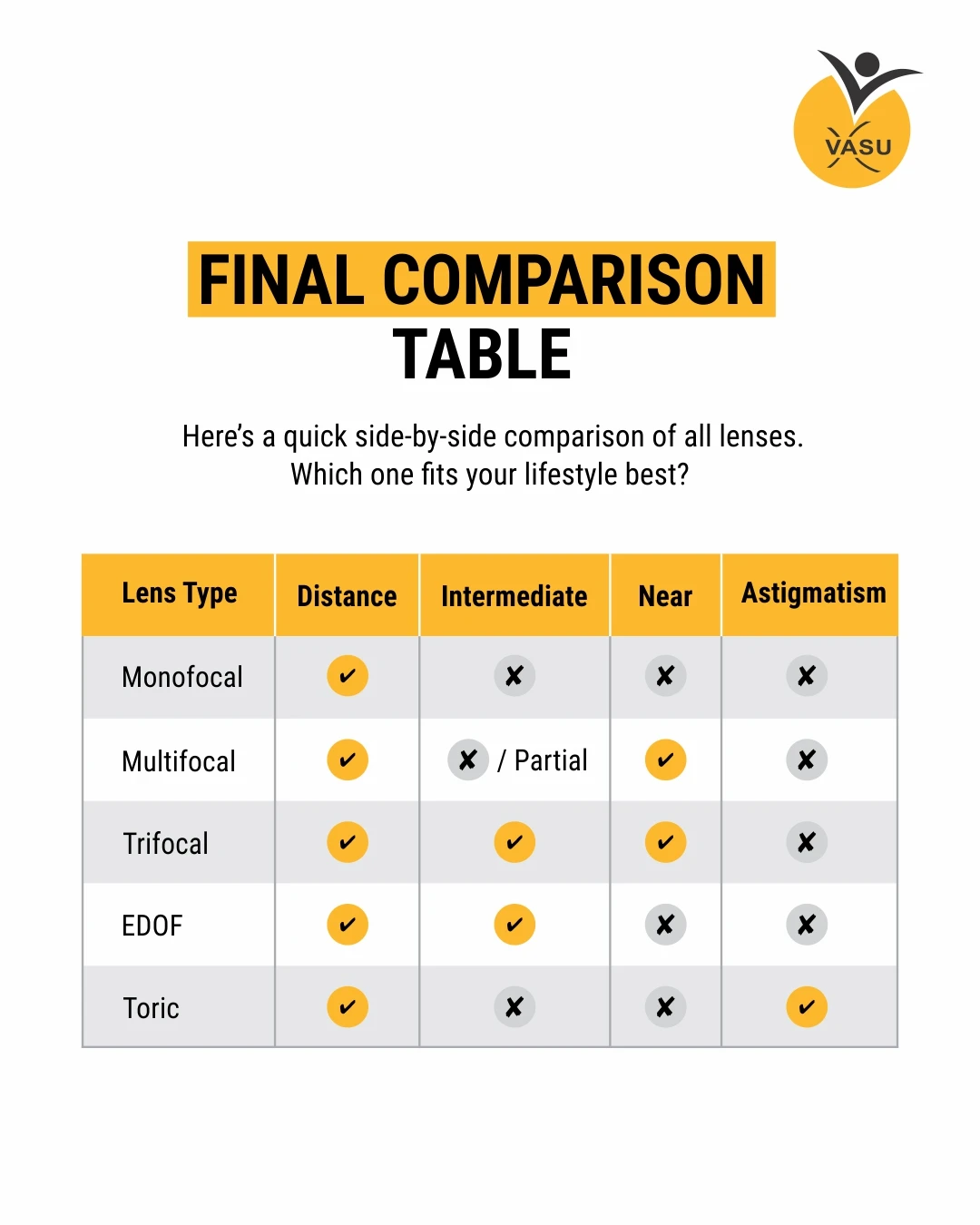


₹15,000 – ₹30,000 per eye
From ₹30,000 onwards
₹45,000 – ₹65,000 per eye
₹60,000 – ₹80,000 per eye
₹55,000 – ₹75,000 per eye
Advanced technologies have revolutionized cataract surgery, making it safer, more precise, and faster than ever before. At Vasu Eye Institute, we leverage the latest innovations to ensure optimal outcomes for our patients. Here’s a look at some of the advanced tools and systems we use in cataract surgery:
Phacoemulsification is a trusted method for cataract removal, where ultrasound waves break down the cloudy lens for easy removal. The Intuitive Phaco System by Johnson & Johnson is an advanced phacoemulsification device designed to improve precision, safety, and efficiency during surgery. This system uses sophisticated settings that allow the surgeon to customize each procedure, minimizing energy use and protecting delicate eye tissues.
The Zeiss Callisto cataract surgery suite is a cutting-edge digital platform that supports real-time guidance during surgery. Integrated seamlessly with other advanced tools, the Callisto suite provides high-definition imaging, digital marketing, and alignment support, ensuring exact positioning of intraocular lenses (IOLs) and precise surgical outcomes. This system’s ability to enhance every step of the cataract surgery process sets a new standard in patient safety and satisfaction.
Precision is crucial in cataract surgery, and the Ziess Lumera Microscope, Germany, provides enhanced visibility for surgeons. This high-powered microscope allows for detailed visualization of the eye’s internal structures, facilitating intricate maneuvers during surgery. Its ergonomic design and optical clarity help surgeons achieve accurate results, contributing to faster patient recovery and improved visual outcomes.
For precise measurements and intraocular lens (IOL) calculations, the IOL Master 700 from Zeiss is a cutting-edge optical biometer. This device enables surgeons to determine the exact lens power needed for each patient, ensuring excellent visual outcomes post-surgery. With its non-invasive approach, the IOL Master 700 enhances patient comfort and supports highly accurate results, particularly beneficial in complex cases.
The Nidek AL Scan is an advanced optical biometer that calculates key eye measurements necessary for effective cataract surgery. By measuring axial length, corneal curvature, and anterior chamber depth, the AL Scan assists in selecting the best IOL for each patient, resulting in personalized and accurate refractive outcomes. The technology’s speed and precision also streamline the pre-surgery evaluation process.
Following cataract surgery, some patients may develop posterior capsule opacification, which can cloud vision. The Nd: YAG laser is a specialized tool used to perform a capsulotomy, creating a small opening in the cloudy capsule behind the lens. This non-invasive laser procedure is quick, painless, and restores clarity, enhancing the results of cataract surgery.
The A-Scan by Quantel measures the eye’s axial length, a critical factor in calculating IOL power. This ultrasound technology ensures accurate assessments of the eye’s dimensions, particularly useful for patients with unique anatomical considerations. The precision of the A-Scan contributes to choosing the most suitable IOL, promoting superior visual outcomes.
Each of these advanced technologies plays a vital role in delivering safe, effective, and customized cataract care, making Vasu Eye Institute & Skin Centre a leading choice for best cataract hospital in Bathinda. By combining expertise with state-of-the-art equipment, we ensure that patients experience a smooth surgical process with lasting improvements in their vision.
Cataract surgery is a safe and commonly performed procedure in which the cloudy natural lens of the eye is removed and replaced with a clear artificial intraocular lens. The surgery is painless, done under local or topical anaesthesia, and usually completed in a short time.
The main benefits of cataract surgery include clearer vision, reduced glare, improved colour perception, better night vision, and improved quality of life. Most patients experience noticeable improvement in daily activities after surgery.
The recovery time for cataract surgery is usually short. Many patients notice improvement in vision within 2–3 days, while complete healing may take a few weeks depending on individual recovery.
Important precaution after cataract surgery include avoiding eye rubbing, preventing water or dust from entering the eye, using prescribed eye drops regularly, and avoiding heavy lifting or strenuous activities for a few days.
Yes, After cataract surgery, vision is blurry in many patients during the initial days. This is common and usually improves gradually as the eye heals and adapts to the new intraocular lens.
Patients can usually take a bath within 24–48 hours after cataract surgery, ensuring that water does not enter the operated eye.
Most patients can drive after cataract surgery once vision stabilises, typically within 5–7 days, after approval from the eye doctor.
The most common complication of cataract surgery is posterior capsule opacification (PCO). It can occur months or years later and is easily treated with a simple laser procedure.
In India, cataract surgery costs range between ₹25,000 and ₹1,20,000 depending on the type of surgery (Phaco, MICS, AI-guided), the intraocular lens selected, and the hospital’s technology and expertise.
WhatsApp us