

Glaucoma is a group of serious eye conditions that damage the optic nerve, often due to increased intraocular pressure (IOP). This damage is progressive and irreversible, and if left untreated, glaucoma can lead to permanent vision loss or blindness. Because glaucoma usually develops slowly and without pain, many patients are unaware of the condition until significant vision damage has already occurred.
At Vasu Eye Hospital, We provide comprehensive, specialist-led care focused on early detection, accurate diagnosis, and long-term management of glaucoma. Recognised as the best glaucoma hospital in Bathinda, we follow evidence-based guidelines for glaucoma treatment to help patients protect their vision and maintain quality of life through timely and ethical eye care.
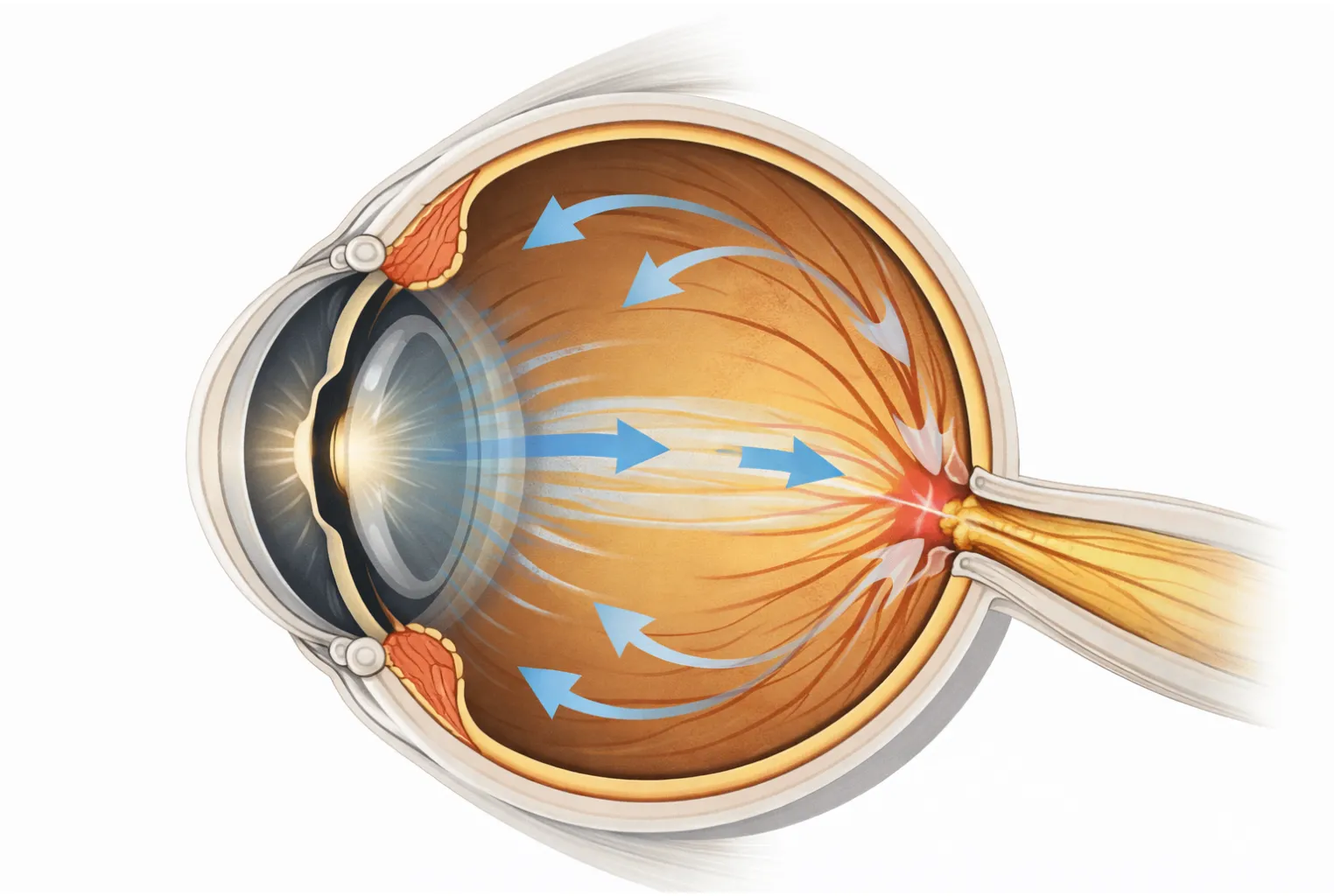
In a healthy eye, a clear fluid called aqueous humour flows in and out of the front part of the eye, maintaining normal eye pressure. In glaucoma, this fluid drainage system becomes impaired. This explains how glaucoma occurs—a rise in intraocular pressure gradually damages the optic nerve, which is responsible for transmitting visual information to the brain.
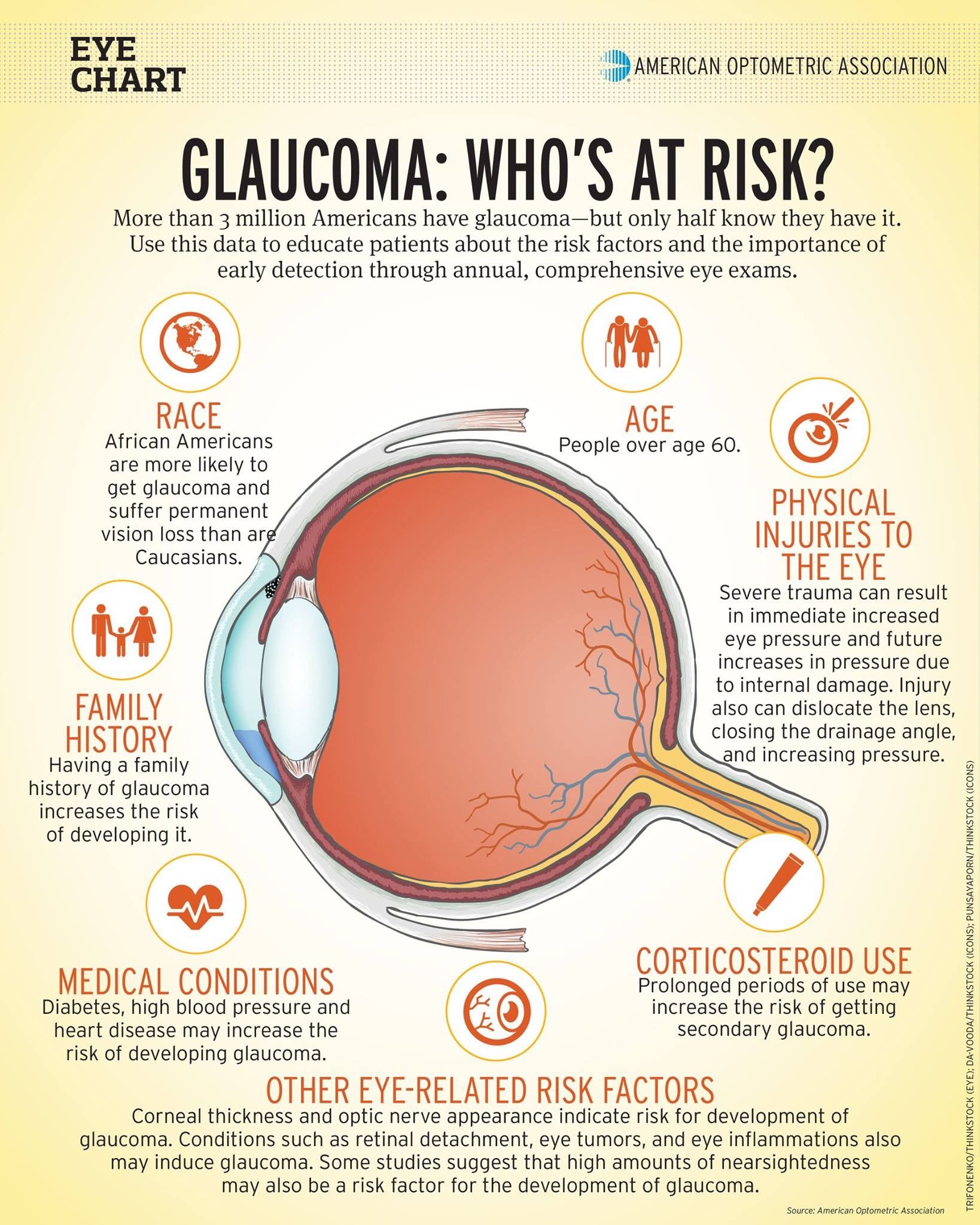
This damage typically begins with peripheral (side) vision loss and may slowly progress to affect central vision. Knowing what is good eye pressure with glaucoma is essential, as even mildly elevated pressure over time can cause nerve damage. Because the process is painless and gradual, regular eye check-ups are critical, especially for people above 40 years of age or those with diabetes, high blood pressure, or a family history of glaucoma.

Early symptoms are often subtle and easy to ignore, but may include:
By the time symptoms become obvious, significant vision loss may have already occurred, which is why early screening plays a key role in glaucoma treatment and prevention.
Glaucoma is one of the leading causes of blindness worldwide, but is there any treatment of glaucoma? Yes—while glaucoma cannot be cured, it can be effectively controlled with early diagnosis and proper treatment.
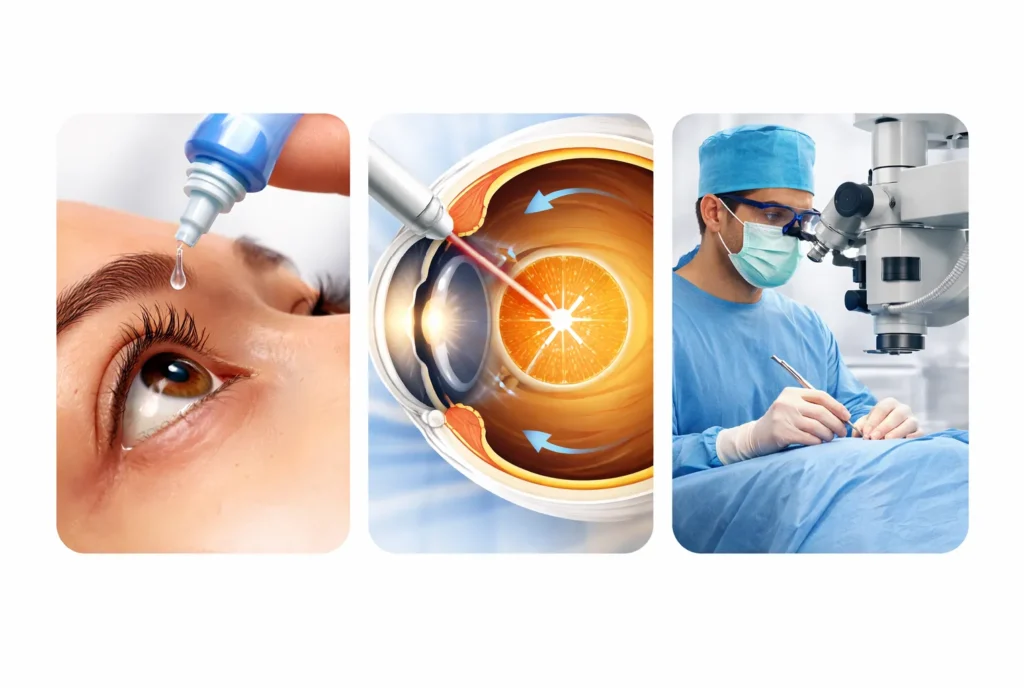
Treatment focuses on lowering and maintaining safe eye pressure to prevent further optic nerve damage. At Vasu Eye Hospital, glaucoma treatment is personalised and may include:
Regular follow-ups and lifelong monitoring are essential, as they directly influence how effective is glaucoma treatment over the long term.
At Vasu Eye Hospital, our glaucoma services are supported by state-of-the-art diagnostic and treatment facilities, ensuring accurate assessment and effective long-term care.
This sophisticated device is essential for assessing the peripheral vision of glaucoma patients. The Humphrey Visual Field Analyzer allows our specialists to detect early signs of vision loss and monitor changes over time. By providing detailed visual field maps, it helps in tailoring individual treatment plans effectively.
The Retinal Nerve Fiber Layer (RNFL) analysis is crucial in evaluating the health of the optic nerve. This non-invasive imaging technology uses optical coherence tomography (OCT) to measure the thickness of the nerve fiber layer, helping in early glaucoma detection and tracking the progression of the disease.
Our stereo fundus photography facility provides high-resolution images of the retina and optic nerve head, allowing for detailed assessment of structural changes related to glaucoma. This technology is vital for documenting and monitoring disease progression over time.
Accurate measurement of intraocular pressure (IOP) is critical in glaucoma management. Our clinic employs applanation tonometry, a gold standard technique that provides precise IOP readings, helping our specialists determine the best treatment options for each patient.
Gonioscopy is a specialized procedure that allows our eye care professionals to visualize the drainage angle of the eye. This assessment is important for diagnosing the type of glaucoma and formulating a comprehensive treatment strategy.
Understanding corneal thickness is essential in glaucoma management. We utilize advanced devices to measure the central corneal thickness (CCT), providing critical data that helps in evaluating the risk of glaucoma and guiding treatment decisions.
Our non-contact tonometry system offers a comfortable way to measure intraocular pressure without direct contact with the eye. This method is particularly beneficial for patients who may be anxious or uncomfortable with traditional tonometry.
The Nd YAG laser is used for performing peripheral iridotomy, a procedure that creates a small hole in the peripheral iris to relieve intraocular pressure in patients with angle-closure glaucoma. This minimally invasive technique helps restore normal fluid dynamics in the eye.
In cases where traditional surgeries may not suffice, we offer glaucoma implants as a long-term solution to manage intraocular pressure. These implants help facilitate drainage of fluid from the eye, providing sustained pressure control and reducing the risk of vision loss.
Glaucoma requires lifelong care and consistent monitoring. At Vasu Eye Hospital, our approach to glaucoma treatment and prevention includes:
Our goal is to preserve vision, slow disease progression, and support patients throughout their glaucoma journey with confidence, clarity, and trust.

Glaucoma occurs when increased eye pressure damages the optic nerve, usually due to poor drainage of eye fluid. This damage develops slowly and can lead to vision loss if untreated.
Glaucoma treatment cost depends on the stage of the disease. Early glaucoma is usually managed with eye drops, while advanced cases may need laser or surgery.
Glaucoma eye surgery typically takes 30–60 minutes and is usually performed as a day-care procedure.
Glaucoma treatment is highly effective in controlling eye pressure and preventing further vision loss when diagnosed early and followed regularly.
There is no single “normal” eye pressure for glaucoma. A safe pressure level is decided by the eye specialist based on optic nerve health and disease severity.
WhatsApp us
