

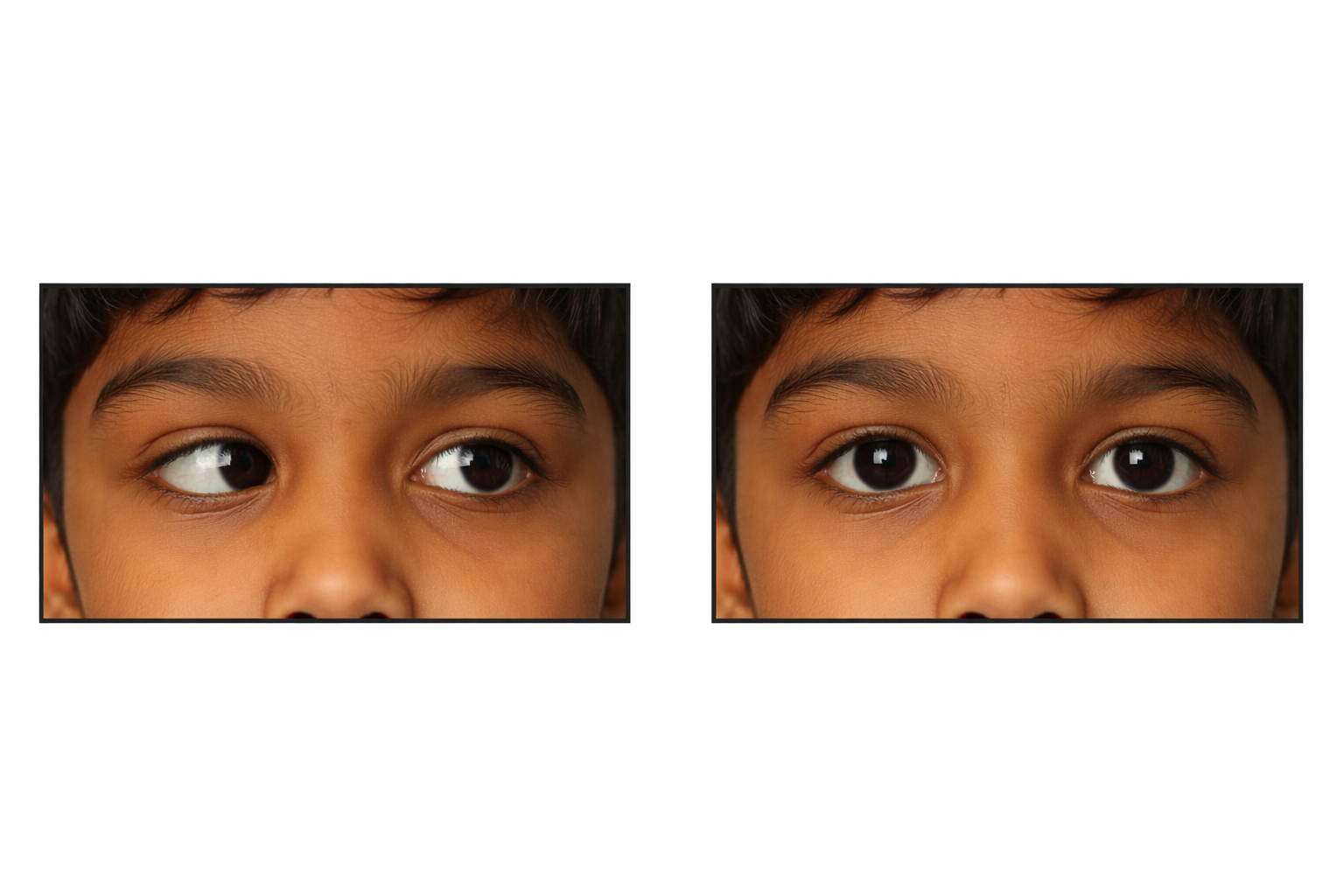
Strabismus is the medical term of a squint, a condition where the eyes point in different directions and is commonly managed under paediatric ophthalmology and strabismus care. One eye may turn inwards, outwards, upwards or downwards while the other eye looks forward.
Squints are common and affect about one in 20 children. They usually develop before a child is five years old, but can appear later, and adults can also be treated for the condition.
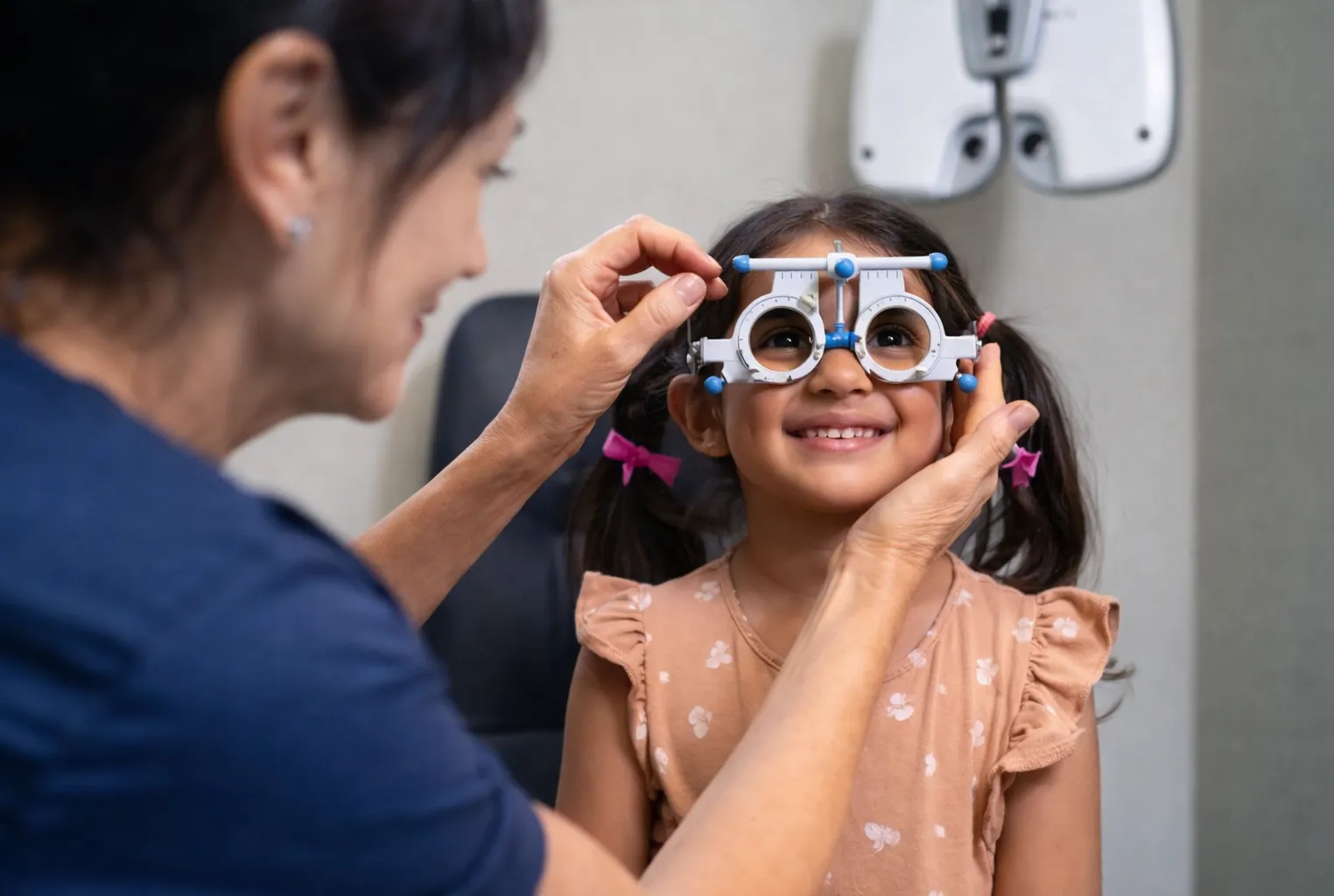
Paediatric ophthalmology is a specialised branch of eye care that focuses on diagnosing and treating eye conditions in infants, children, and adolescents. It includes the management of squint (strabismus), lazy eye, refractive errors, congenital eye problems, and developmental vision disorders.
Early care by a trained paediatric ophthalmologist is essential because untreated childhood eye conditions can lead to permanent vision problems.
The most obvious sign of a squint is eyes that look in different directions. Squints can also cause double vision, lazy eye (amblyopia) in young children where the vision is poor in the eye with the squint, and can cause people to develop an abnormal position of the head. These conditions are commonly managed under paediatric ophthalmology and strabismus care.
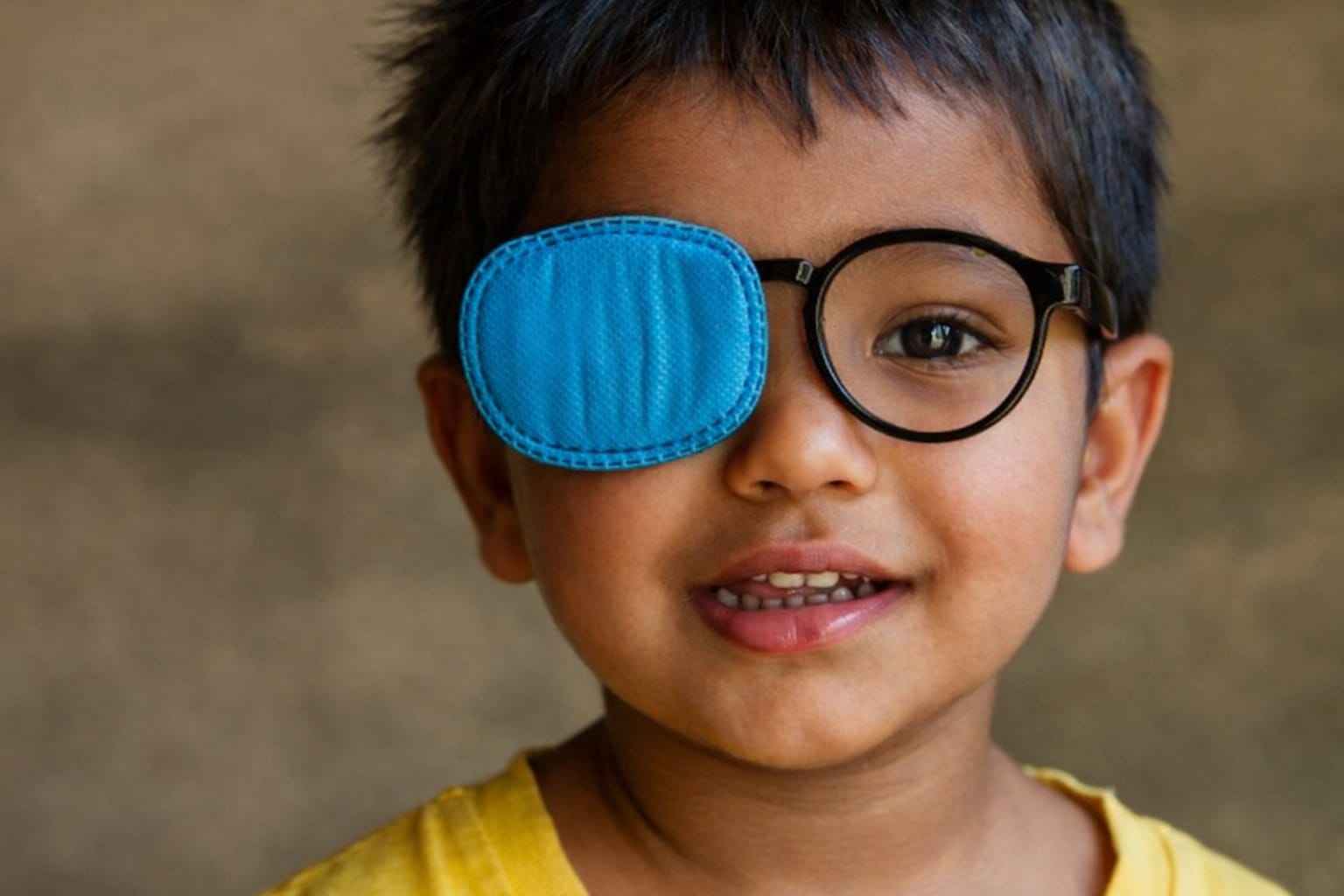
If a squint is left untreated in young children, lazy eye (amblyopia) can develop. The vision in the affected eye gradually deteriorates because the brain ignores the weaker message being sent from that eye. A lazy eye can be treated up until about six or seven years of age, but it is important that it is treated as soon as possible.

Paediatric ophthalmology is a specialised branch of eye care that focuses on diagnosing and treating eye conditions in infants, children, and adolescents, including squint, lazy eye, refractive errors, and developmental vision problems.
A child should ideally have their first eye check-up by 6 months of age, again at 3 years, and before starting school. Early eye examinations help detect vision problems before they affect learning and development.
Squint, also known as strabismus, is a condition where both eyes do not align properly. One eye may turn inward, outward, upward, or downward, affecting binocular vision and depth perception.
Yes. If left untreated, squint can lead to lazy eye (amblyopia), poor depth perception, abnormal head posture, and permanent vision loss. Early treatment significantly improves outcomes.
Lazy eye is a condition where vision in one eye does not develop properly, even though the eye looks normal. It commonly occurs due to squint, refractive errors, or delayed treatment in early childhood.
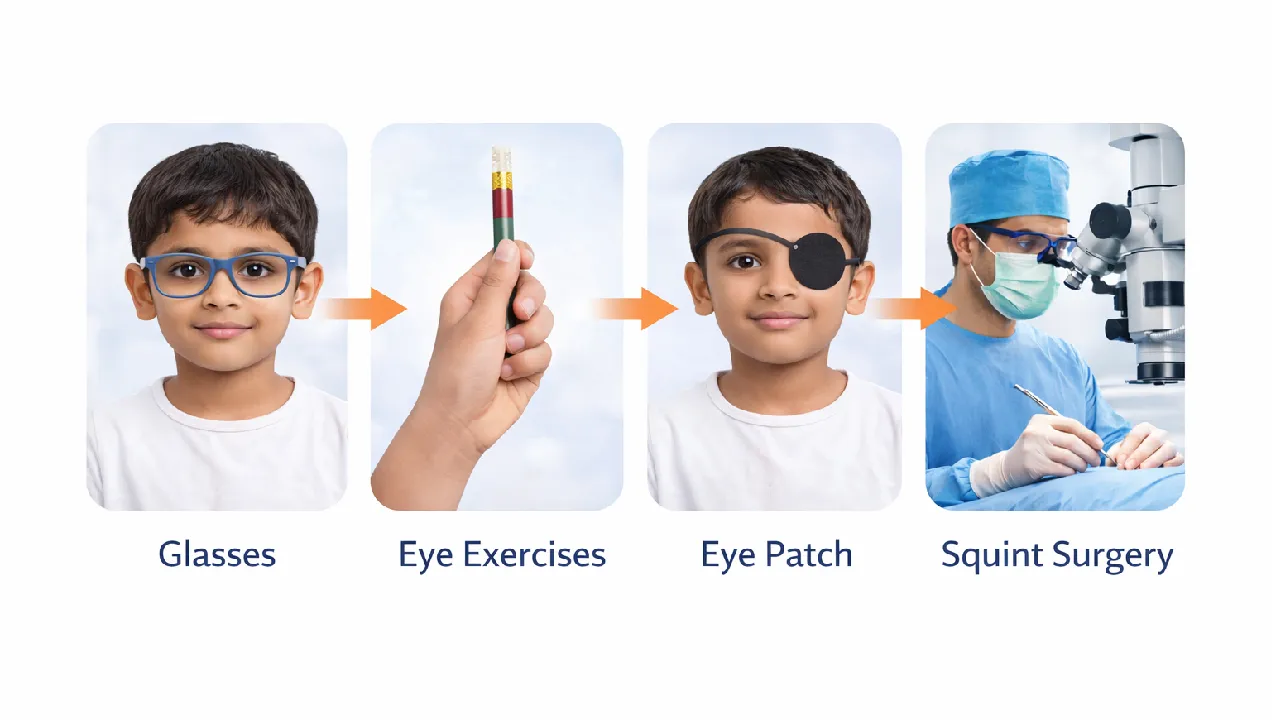
Squint treatment depends on the child’s age and condition. It may include glasses, patching therapy for lazy eye, regular monitoring, or squint eye surgery when required.
Yes. Squint surgery is a safe and commonly performed procedure in children. It is usually done as a day-care surgery and helps correct eye alignment and improve functional vision.
No. Squint and lazy eye usually do not resolve on their own. Delaying treatment can reduce the chances of full visual recovery, which is why early evaluation is important.
Signs may include misaligned eyes, head tilting, poor eye contact, difficulty focusing, frequent eye rubbing, or delayed visual development. Any of these signs warrant an eye examination.
Look for a hospital with trained paediatric ophthalmologists, child-friendly diagnostic facilities, and experience in managing childhood eye conditions. Vasu Eye Hospital, Bathinda provides specialised paediatric eye care with a patient-first approach.
WhatsApp us
